
Clement “Coxsone”Dodd (1932-2004)
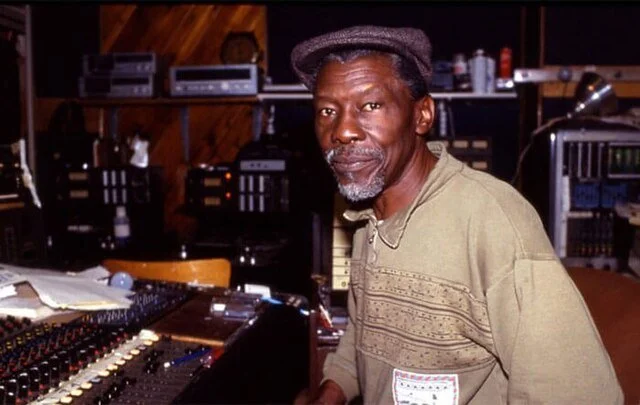
The man who built reggae’s home Clement “Coxsone” Dodd (1932–2004) did more than create records; he built the home of reggae. From the streets of Kingston, he envisioned a place where rhythm, talent, and innovation could come together, and in 1954, he opened Studio One, soon called the “Motown of Jamaica.” More than a studio or label, it became a creative hub where Ska, Rocksteady, and Reggae evolved, and where the riddims he nurtured would become the foundation for generations of music.
Before Studio One, Dodd honed his ear and instincts through his Downbeat Sound System, one of Jamaica’s most dominant in the competitive sound clashes of the 1950s. He understood early on that control over music meant control over the dance floor — and the community. This combination of vision and strategy shaped not only his career but the entire trajectory of Jamaican popular music.
From the very beginning, Dodd sought to capture Jamaican talent performing Jamaican music. This decision led to the creation of Studio One, which quickly became a recording studio, label, and training ground for musicians and singers alike. Within its walls, artists learned discipline, developed confidence, and shared a musical language that would resonate far beyond Kingston.
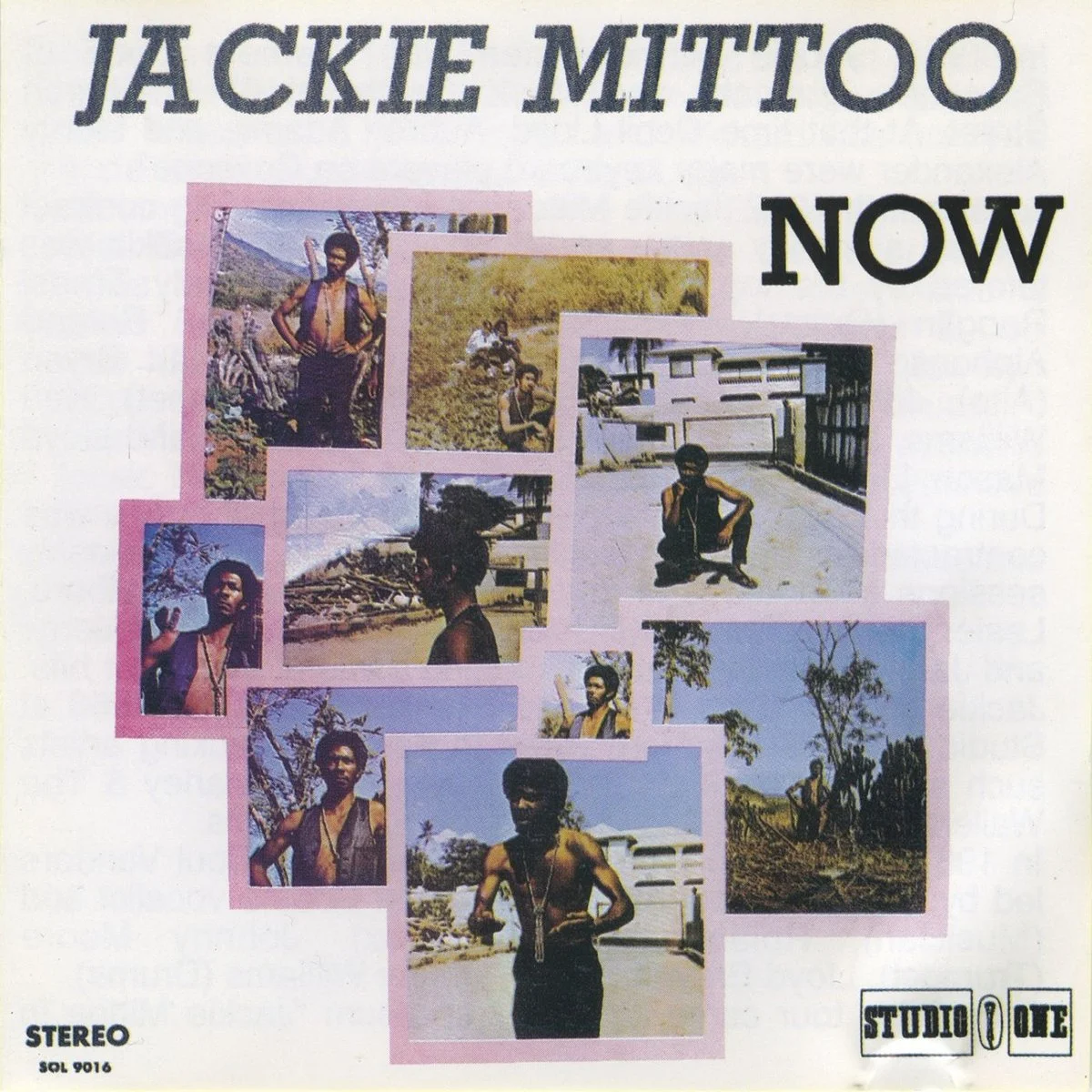
The signature Studio One Sound was forged by the musicians who brought Dodd’s vision to life. Jackie Mittoo, as musical director and keyboardist, arranged countless hits, while Leroy Sibbles anchored the label with basslines that became reggae standards. House bands like The Skatalites, Sound Dimension, and Soul Vendors created the template for Ska, Rocksteady, and Reggae, blending jazz influence, tight rhythm, and innovative arrangements into a sound that would define a nation.
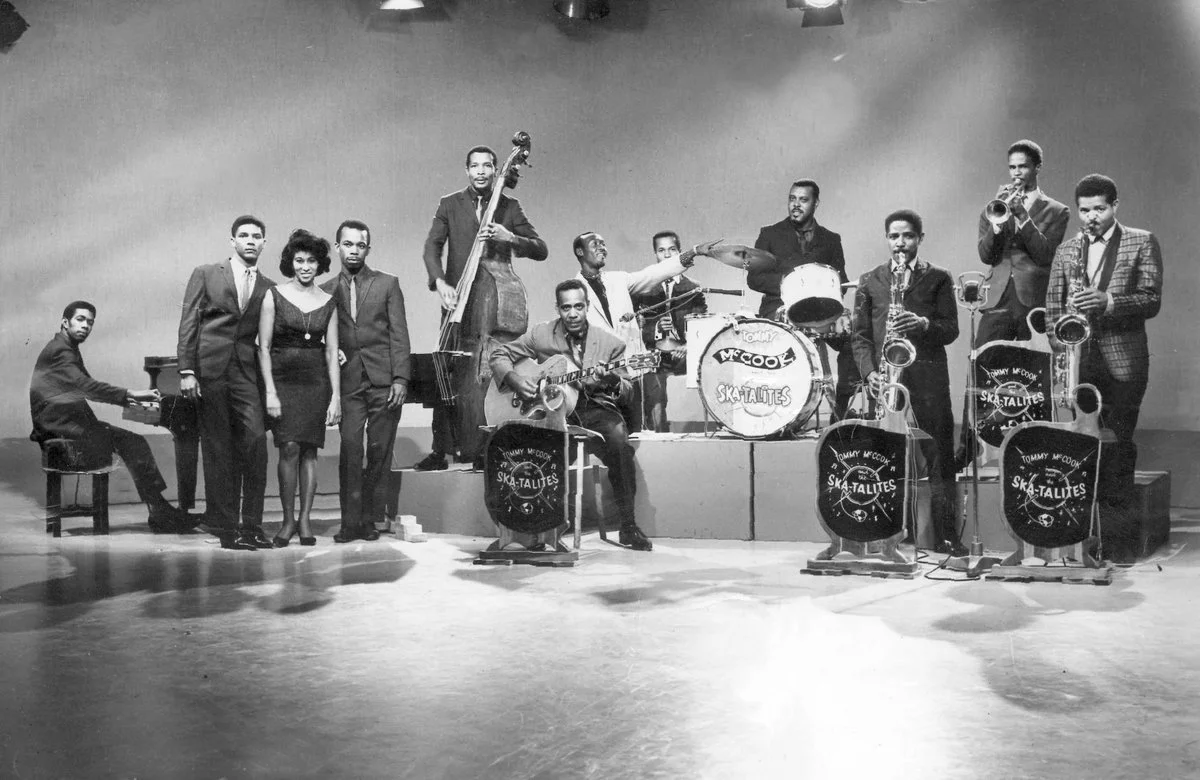
The Skatalites
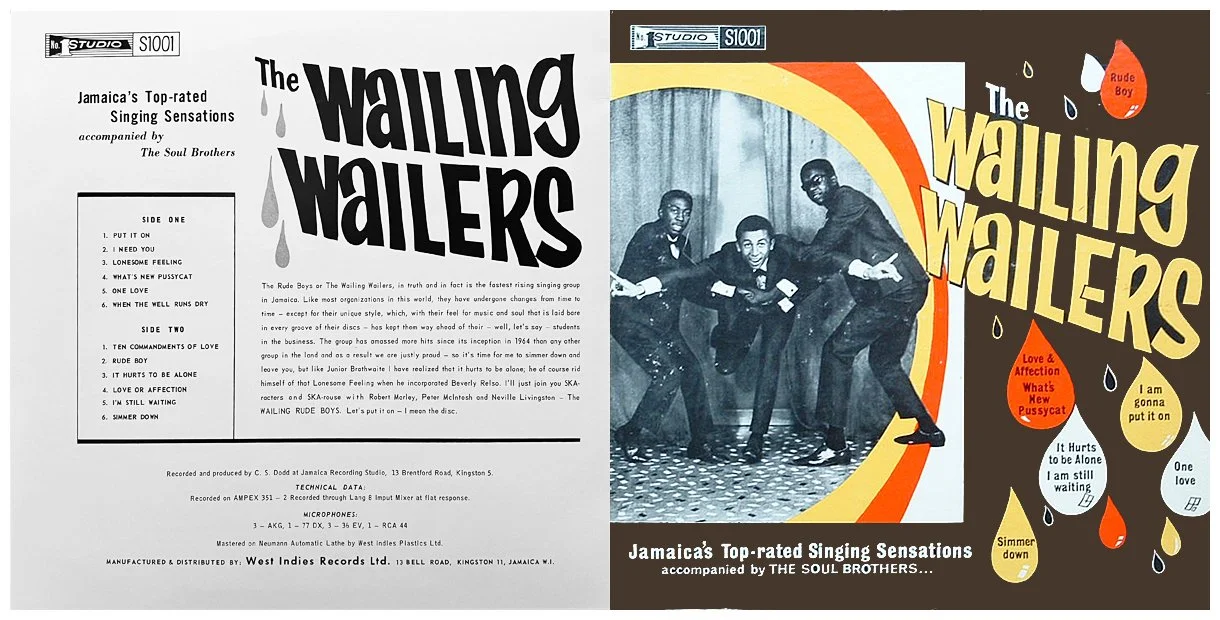
Dodd had an extraordinary eye and ear for talent. He guided Bob Marley & The Wailers through their first hits, including Simmer Down, and provided a creative home for legends like Alton Ellis, The Heptones, Dennis Brown, Marcia Griffiths, Ken Boothe, Freddie McGregor, and Burning Spear during their formative years. Each artist left their mark while carrying Dodd’s guidance forward, creating a legacy that would echo through decades of reggae.
Among the most enduring elements of Studio One were the iconic riddims: Real Rock, Full Up, Answer, Nanny Goat, Swing Easy, and Stalag. These tracks were endlessly reused, sampled, and reinterpreted — forming the backbone of reggae and dub, and later influencing dancehall. Their reach extended across the Atlantic, sampled by artists including Kanye West, Jay-Z, The Fugees, Notorious B.I.G., and KRS-One, a testament to the global impact of Dodd’s work while keeping reggae at the heart of the story.
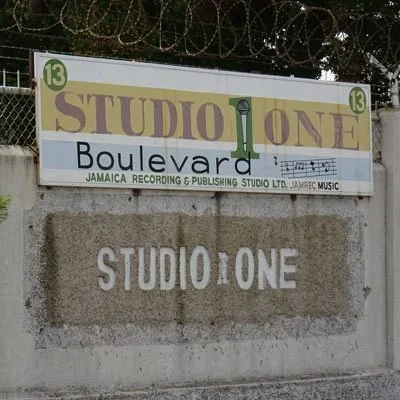
Recognition for Dodd’s contributions came both during his lifetime and posthumously. He received the Order of Distinction (1991) and the Musgrave Gold Medal (2002), and in 2004, Brentford Road, home of Studio One, was officially renamed Studio One Boulevard. In 2007, he was posthumously awarded the Order of Distinction, Commander Class, solidifying his place as the architect of modern Jamaican music.
Clement “Coxsone” Dodd passed away in 2004, but his influence remains inseparable from reggae itself. Through the artists he shaped, the musicians he nurtured, and the riddims he crafted, Dodd’s vision continues to define how Jamaican music is created, heard, and celebrated worldwide.
Honouring the builders of culture.
Recognising the true pioneers of reggae music.