
Dennis Brown
(1957-1999)
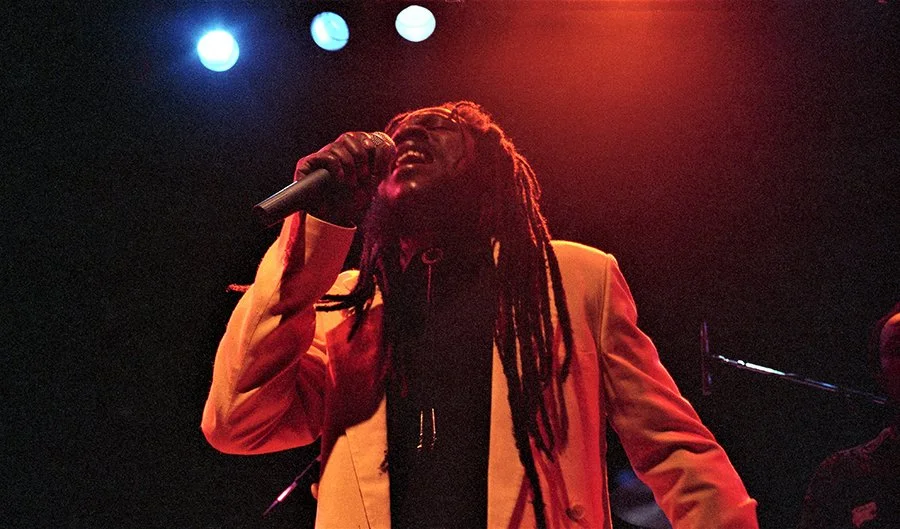
Dennis Brown was born in Kingston, Jamaica, on 1 February 1957, into a country whose sound was already shaping itself into something that would travel the world. Music was not a distant ambition for him – it was present early, absorbed naturally, and expressed instinctively. By the time most children were still finding their footing, Dennis Brown was already performing, singing publicly from around the age of nine and stepping confidently into studios that would later define reggae history.
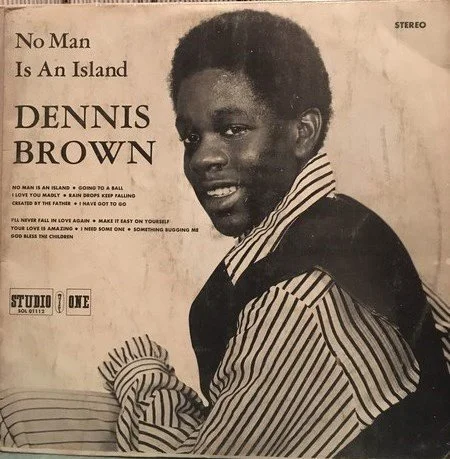
His path led him to Studio One, the crucible of Jamaican music, where he came under the guidance of Clement “Coxsone” Dodd. There, still barely a teenager, Dennis Brown recorded No Man Is an Island, a song that carried wisdom far beyond his years and announced him as a rare talent. At just twelve years old, he was already a hitmaker, earning a reputation as a prodigy whose voice carried emotional weight, restraint, and maturity uncommon at any age.
As reggae evolved, so did Dennis Brown. His voice became deeper, warmer, and more commanding, capable of conveying tenderness, longing, defiance, and reflection with effortless clarity. While firmly rooted in conscious reggae, he also became one of the genre’s greatest interpreters of love. It was this balance – between message and melody – that earned him the title The Crown Prince of Reggae, a name that reflected both his standing and the respect he commanded among his peers.
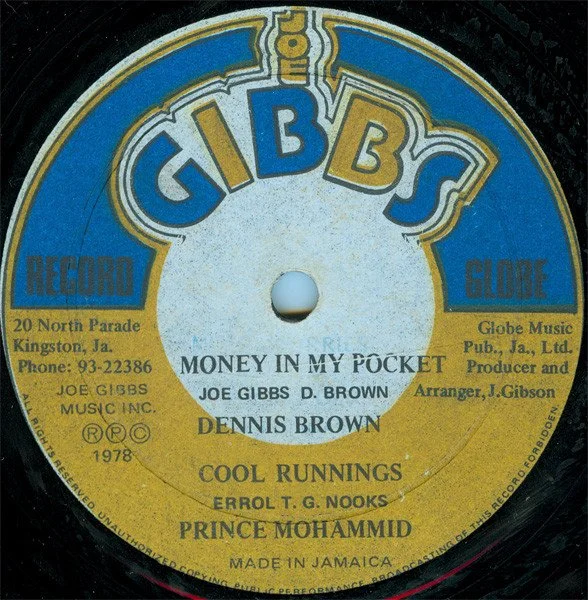
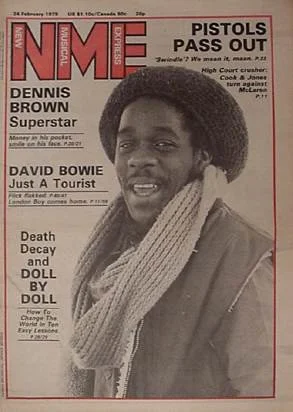
His music travelled far beyond Jamaica. Songs such as Money in My Pocket and Love Has Found Its Way crossed borders and found homes in the UK and the US, reaching mainstream charts while remaining authentic to reggae’s soul. Money in My Pocket became a major UK hit, while Love Has Found Its Way introduced his voice to wider American audiences. Albums like Visions of Dennis Brown cemented his reputation, earning critical acclaim and recognition as some of the finest reggae recordings of their time.
Dennis Brown’s influence on lovers rock cannot be overstated. His phrasing, softness, and emotional intelligence helped shape a sound that resonated deeply within Black British communities, particularly in London. Lovers rock was never separate from reggae’s roots; through Dennis Brown, it became a continuation of them. His voice provided a template for intimacy in reggae, influencing generations of artists who followed, both in Jamaica and across the diaspora.
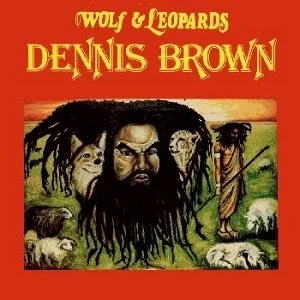
Beyond his work as a singer, Dennis Brown understood the importance of creative independence. Through his own imprint, DEB Music – named after Dennis Emmanuel Brown – he released music on his own terms, beginning with the seminal album Wolf & Leopards (1977). Notable songs such as “Wolf and Leopards,” “Here I Come,” and “Whip Them Jah Jah” showcased not only his extraordinary vocal talent but also his growing skill as a producer, supported by key musicians including Sly Dunbar, Lloyd Parks, and Dean Fraser, whose contributions helped shape the sound and depth of the recordings.
Around the same period, he was involved with Yvonne’s Special, a label that highlighted his versatility and feel for the evolving sound of reggae. Tracks like Someone Special and the lovers rock‑leaning duet Wild Fire with John Holt revealed his ability to move effortlessly from roots reggae into the smoother, romantic sounds that resonated deeply with UK audiences, particularly within the lovers rock scene. These releases exemplify how Dennis Brown’s influence extended beyond performance, shaping both the music he made and the opportunities he created for others.
Collaboration was also central to his journey. He worked with and alongside many of reggae’s most respected figures, including Gregory Isaacs, with whom he was famously described as one of the “Two Bad Superstars.” His creative circle extended to producers and musicians such as Joe Gibbs, Errol Thompson, Sly & Robbie, and peers like Freddie McGregor, Cocoa Tea, and John Holt. These collaborations were not just professional partnerships but part of a shared cultural movement that shaped reggae’s golden era.
Recognition followed him both during his lifetime and after. His voice has been celebrated globally, with Rolling Stone later ranking him among the greatest singers of all time. He received Grammy nominations, international critical praise, and enduring respect from artists across genres. In Jamaica, his contribution to music and culture was formally honoured when he was awarded the Order of Distinction at the rank of Commander in 2011.
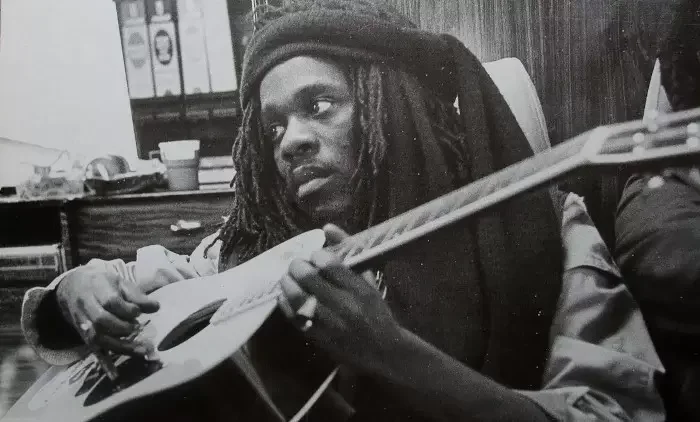
Dennis Brown was more than a singer. He was a bridge between generations, between roots and romance, between Jamaica and the wider world. His music does not belong to the past – it lives on, still speaking, still teaching, still comforting. The Crown Prince of Reggae remains exactly that: crowned not by ceremony, but by the lasting power of his voice.
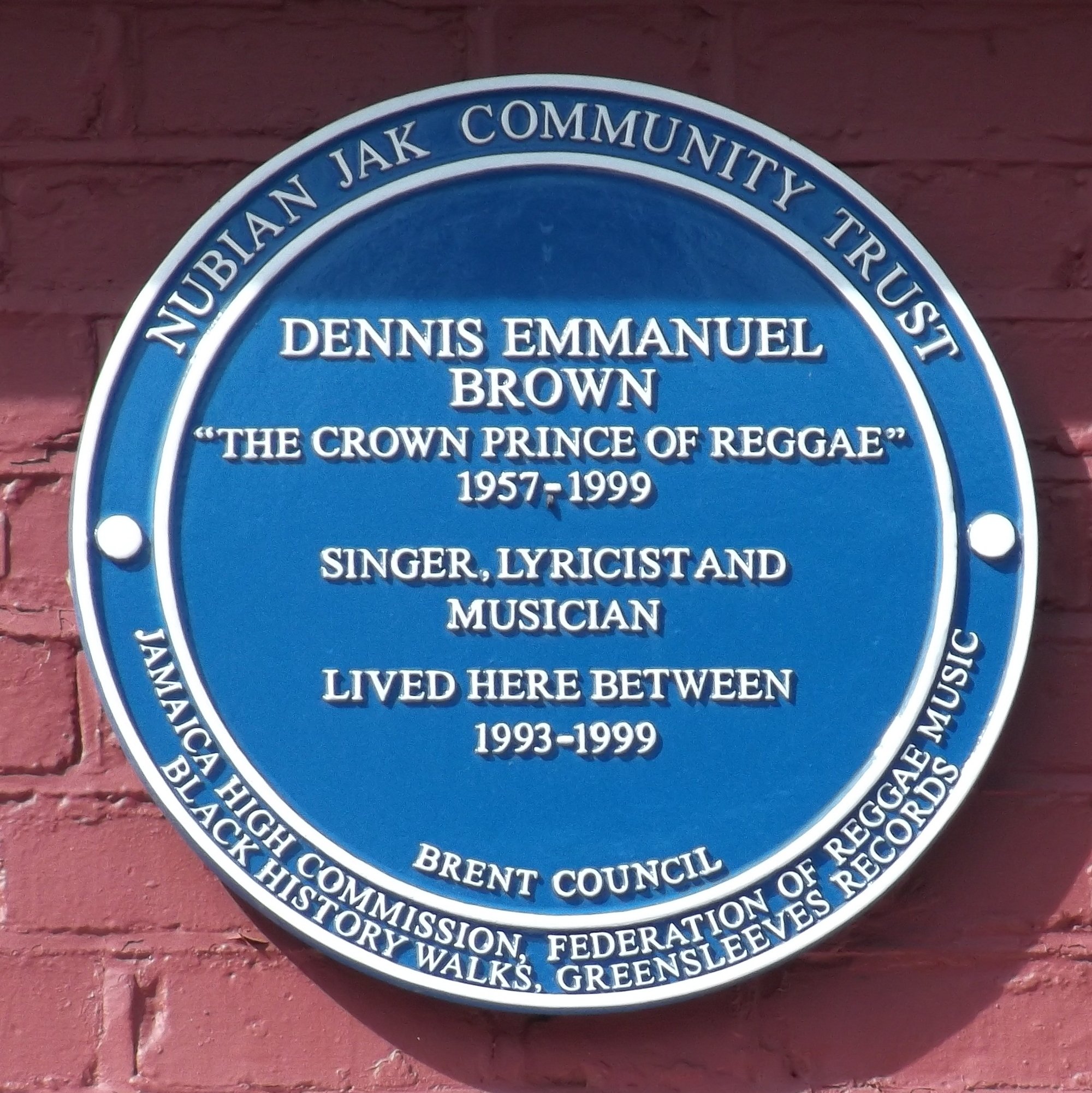
He passed away on 1 July 1999, at the age of forty-two. He was laid to rest at the National Heroes Park in Kingston, a resting place reserved for figures whose contributions shaped the nation’s identity. In London, a blue plaque at Harrow Road in Brent marks his former residence, recognising the deep and lasting connection he forged with Britain. Though his life was cut short, his presence has never faded. His voice remains a constant, woven into sound system culture, private listening, love songs, protest songs, and the everyday lives of people who continue to find meaning in his music.
Honouring the builders of culture.
Recognising the true pioneers of reggae music.