
Pioneers of Reggae
Reggae did not emerge fully formed. It was built — rhythm by rhythm, voice by voice — by individuals whose creativity, courage, and conviction shaped a sound that would travel far beyond Jamaica’s shores. Its roots trace deep into African rhythms, work songs, and spirituals sung during slavery — music born from struggle, resilience, and communal expression, emphasizing call-and-response, rhythm, and storytelling, forming the foundation for everything that followed.
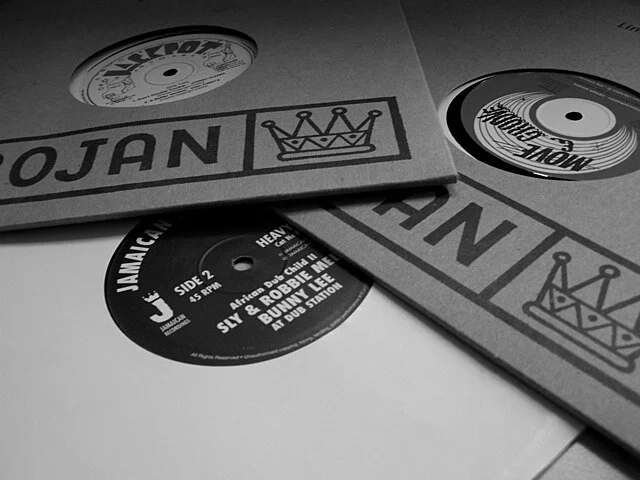
From these roots came mento, Jamaica’s folk music, blending African rhythms with European instrumentation and local lyrical traditions. By the 1950s, Jamaican musicians were absorbing American “race music” and early rhythm & blues, records that traveled to the island via sound systems and radio.
The term “race music” was originally a commercial label used in the United States to categorize recordings by Black artists for Black audiences. Its roots trace back to the songs sung by enslaved African Americans in the fields, which evolved into blues and early R&B. These recordings carried call-and-response patterns, melodic phrasing, and themes of struggle and resilience.
Mento was not created in isolation. It functioned as both folk expression and social commentary, carried by working musicians across rural communities, urban centres, and shared Caribbean cultural networks where traditions such as calypso moved freely between islands. In the mid-twentieth century, mento recordings were often marketed internationally under the calypso label, allowing Jamaican artists such as Lord Flea to reach global audiences, while figures like Harry Belafonte helped popularise mento-based songs beyond the region. These early crossings positioned mento not as a footnote, but as a living foundation for Jamaican popular music.
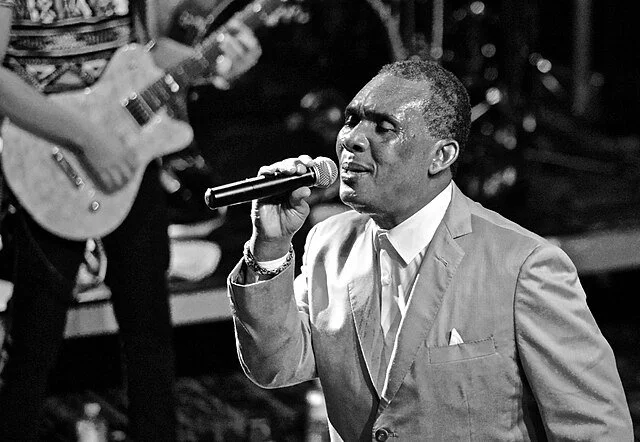
Jamaican musicians absorbed these sounds, adapting them with local instruments, lyrical perspectives, and mento rhythms. Many early Jamaican hits were covers or reinterpretations of American R&B songs, which, fused with indigenous styles, laid the foundation for ska — a fast-tempo, upbeat style with offbeat guitar and piano rhythms. As ska slowed and evolved in the mid-1960s, rocksteady emerged, emphasizing smoother basslines, vocal harmonies, and socially conscious lyrics.
This progression set the stage for reggae, which crystallized in the late 1960s with syncopated rhythms, deep bass, and lyrics rooted in faith, struggle, and everyday life.
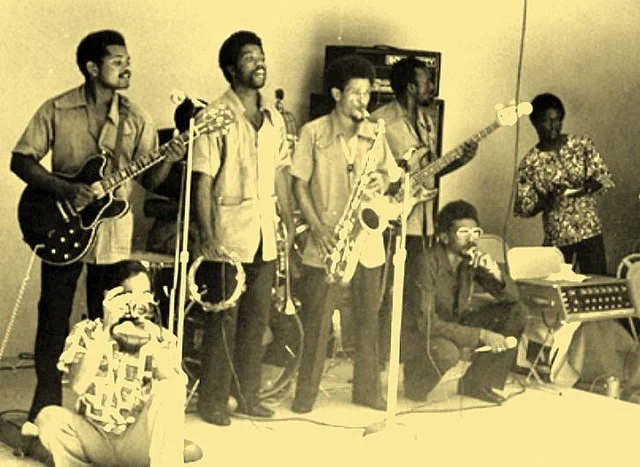
Zap Pow
This series exists to honour the pioneers who built reggae from these threads. They were not simply performers or producers; they were builders of culture, giving reggae its structure, its soul, and its global reach. Some carried the message, others shaped the sound, and many did both — often without recognition at the time.
In the 1970s, Lee “Scratch” Perry drew on traditional mento elements—its acoustic textures, rhythmic patterns, and satirical storytelling—reimagining them through experimental studio techniques and electronic effects, demonstrating how Jamaica’s early folk foundations continued to shape the evolving sound of reggae.
Reggae’s history is not linear, and it is not owned by any single voice. It is a collective story of communities, studios, sound systems, and shared struggle. These tributes aim to reflect that truth, recognising each individual for their unique contribution while acknowledging the wider movement they helped create
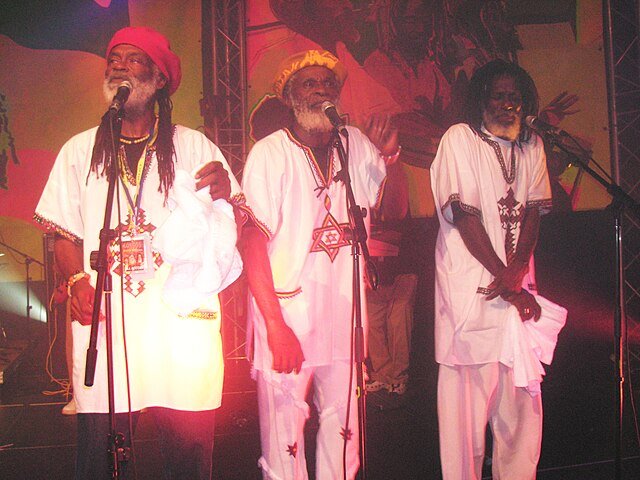
The Congos
The focus here is not nostalgia, nor mythology.
It is legacy.
Each piece is written to preserve context, celebrate influence, and ensure that the foundations of reggae are understood, respected, and remembered.
This is not a definitive list. It is a living archive — one that will continue to grow as the music itself continues to echo across generations and borders.
Honouring the builders of culture.
Recognising the true pioneers of reggae music.