
Duke Reid
(1915-1975)
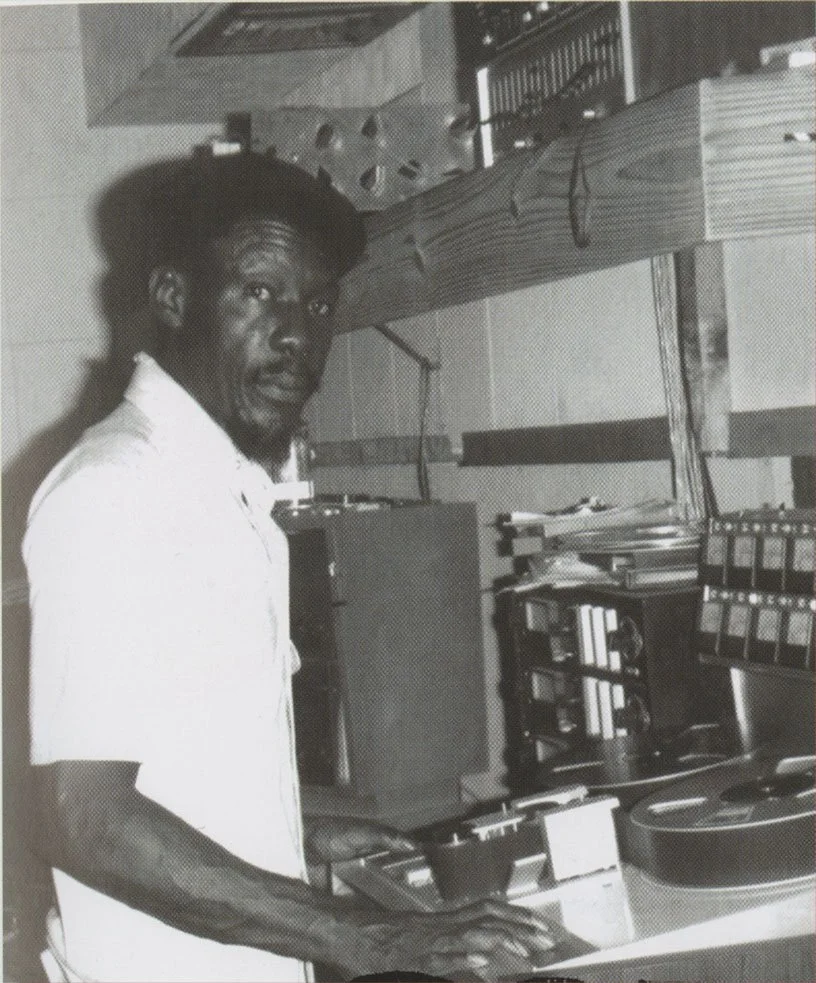
Arthur “Duke” Reid, born 26 May 1915 in Kingston, Jamaica, began life as a police officer and licensed radio operator, but it was his ear for music and relentless drive that would make him one of the most influential architects of Jamaican sound. Known affectionately as “The Trojan”, Reid’s vision and innovation helped shape ska, rocksteady, and the early foundations of reggae.
Reid first made his mark through his Trojan sound system, launched in 1953 and famous for its volume, clarity, and exclusive selection of American R&B and jazz records. He earned Kingston’s top accolades, being crowned King of Sound & Blues in 1956, 1957, and 1958, surpassing rivals like Tom the Great Sebastian. His system became a hub for discovering and promoting emerging talent, and his radio show, Treasure Isle Time, extended his influence across Jamaica.
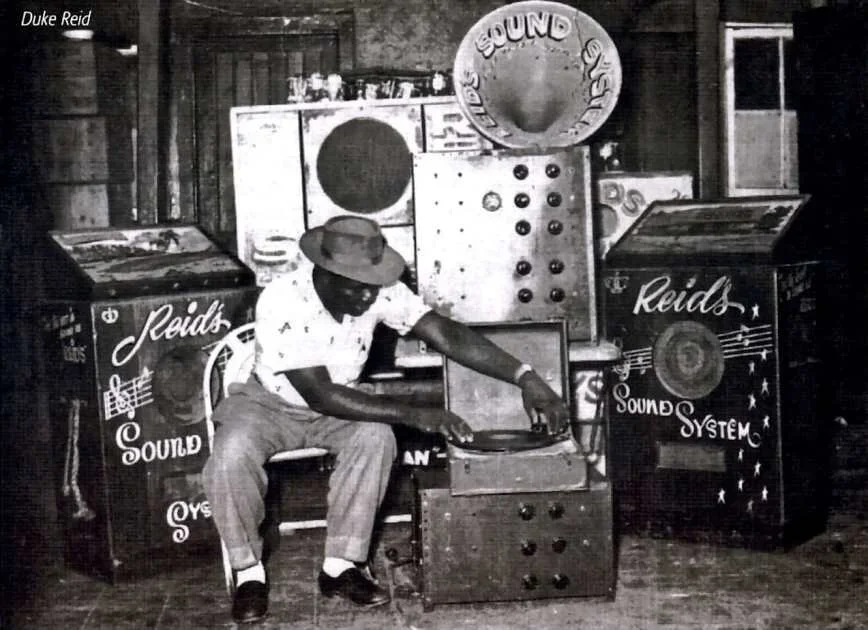
Trojan Sound System
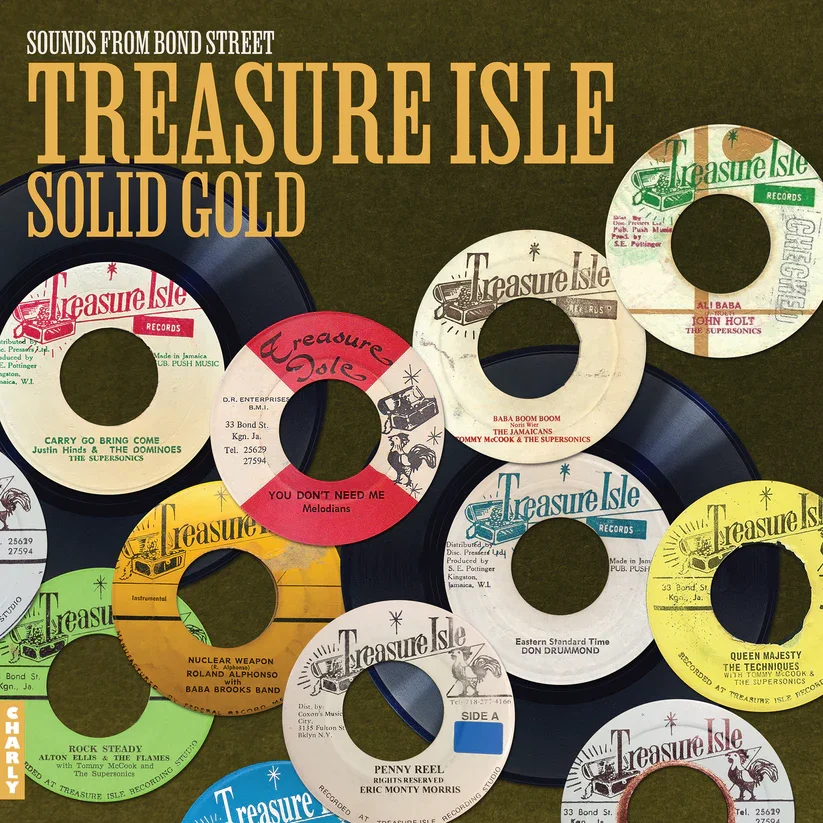
In the late 1950s, Reid founded Treasure Isle Records, and later released recordings under the Duke Reid label and minor imprints like Dutchess, giving his music reach both locally and in the UK. The Treasure Isle studio, located at 33 Bond Street, became the epicentre of rocksteady during the 1960s. It’s all-wood construction, combined with Reid’s collaboration with engineer Byron “Smithy” Smith, produced a warm, resonant “hi-fi” sound that set his productions apart. Reid demanded sophistication in musical arrangements, often directing Tommy McCook and The Supersonics to incorporate jazz-inflected horn lines and intricate harmonies.
Reid produced hits for Jamaica’s legendary artists. The Techniques delivered smooth harmonies on tracks like “Queen Majesty,” while The Paragons recorded enduring classics such as “The Tide Is High,” later topping international charts in cover versions by Blondie and Atomic Kitten. Female vocalists such as Phyllis Dillon shone under his guidance with songs including “Perfidia” and “Don’t Stay Away,” while solo acts including Alton Ellis, Justin Hinds, Hopeton Lewis, and The Melodians flourished under his production. Many of these recordings dominated Jamaican sound system charts, the true barometer of success on the island at the time.
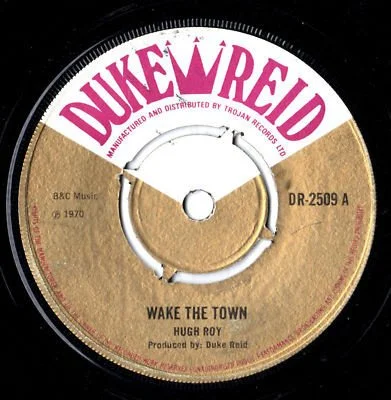
Reid also played a pivotal role in the DJ-led revolution. His work with U-Roy, including “Wake the Town” and “Rule the Nation,” helped establish early examples of toasting, a precursor to modern dancehall and hip-hop. This demonstrated Reid’s ability to innovate while maintaining his signature Treasure Isle sonic discipline.
In addition to his musical achievements, Reid’s personality and methods left a lasting impression. He was known for imposing discipline in the studio, often supervising sessions with meticulous attention to detail. Stories from the era recount Reid’s celebration of hit takes by firing his revolver or rifle into the ceiling — a vivid illustration of his larger-than-life presence.
Later, declining health and his resistance to Rastafarian-influenced “roots” lyrics led him to sell the Treasure Isle catalogue to producer Sonia Pottinger before his death. Reid passed away on 29 December 1975, leaving a legacy that continues to define Jamaican music. His contributions were formally recognised posthumously when the Jamaican government awarded him the Order of Distinction (Commander rank) in 2007, cementing his status as a cultural pioneer.

Rudeboy: The Story of Trojan Records
Reid’s influence also extends to film and documentary. He appears in the landmark movie The Harder They Come (1972) and is featured in documentaries such as Rudeboy: The Story of Trojan Records and Deep Roots Music, which highlight the rise of Jamaican music and sound system culture.
Duke Reid was not simply a producer or label owner; he was a builder of culture, a cultivator of talent, and a defining architect of Jamaica’s golden musical era. Through his vision, technical mastery, and relentless drive, the Treasure Isle sound and his roster of legendary artists remain central to the story of Jamaican music.
Honouring the builders of culture.
Recognising the true pioneers of reggae music.