
John Holt
(1947-2014)
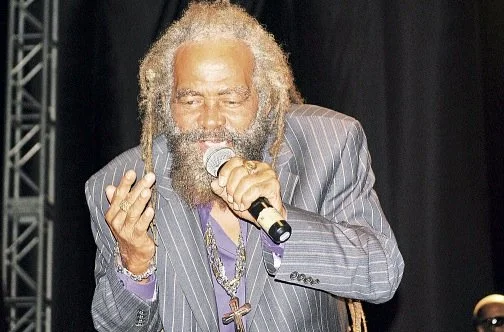
John Holt, born John Kenneth Holt on 11 July 1947 in Greenwich Farm, Kingston, Jamaica, discovered his passion for music at a remarkably young age. Winning 28 talent contests on Jamaica’s Vere Johns Opportunity Hour as a youth, his early success foreshadowed a career that would span more than five decades and leave an indelible mark on reggae music. From the start, his voice carried a clarity, warmth, and melodic instinct that would define not just a genre, but a generation.
John Holt’s professional recording career began in 1963 with the single Forever I’ll Stay, produced by Leslie Kong, which revealed the young singer’s natural melodic talent and emotional depth. Shortly afterward, he recorded a duet with Alton Ellis, Rum Bumper, establishing himself on Jamaica’s vibrant music scene before joining any vocal group. Around 1965, Holt became part of an early harmony group known as The Binders, whose members at that time were Bob Andy, Tyrone Evans, Junior Menz, and Leroy Stamp. After Holt joined, he replaced Leroy Stamp, and when Junior Menz departed, Howard Barrett came aboard. At this point, the group renamed themselves The Paragons, with Holt, Barrett, Evans, and Bob Andy forming the classic early lineup. This period laid the foundation for Holt’s enduring influence as both a vocalist and songwriter, bridging his early solo work with the harmony group artistry that helped define the sound of rocksteady and early reggae.
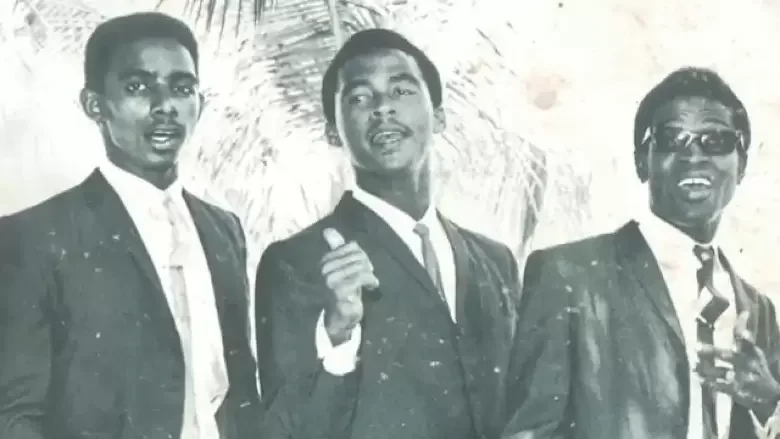
During his time with The Paragons, Holt quickly became a standout voice, helping the group craft some of the era’s defining rocksteady hits. Their smooth harmonies and romantic sensibilities, combined with Holt’s emotive lead vocals, produced classics such as On the Beach, Wear You to the Ball, Tonight, and I See Your Face. These songs not only captured the hearts of Jamaican audiences but also reached international listeners, laying the groundwork for the global appeal of rocksteady. Holt’s contributions during this period showcased his ability to balance harmony with expressive lead singing, building a reputation that would serve as the springboard for his future solo success.
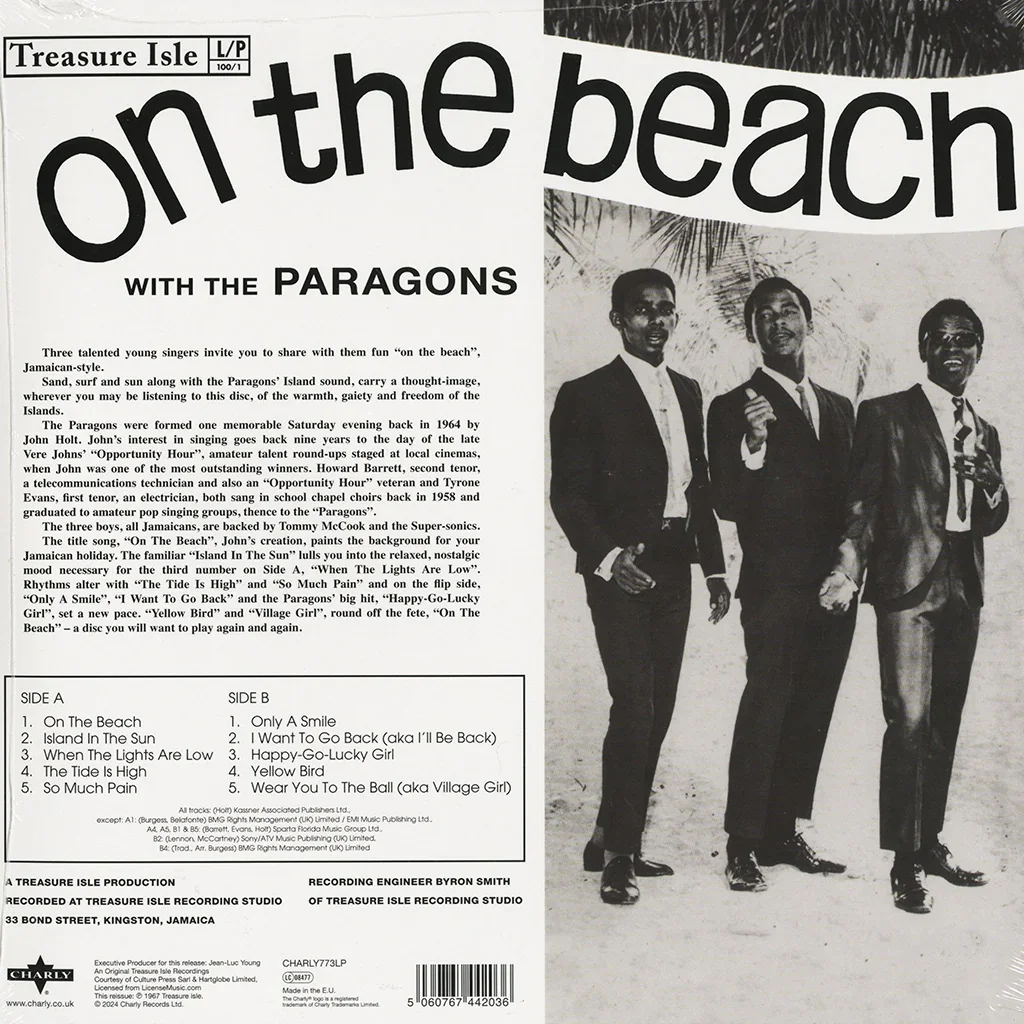
Transitioning to a solo career around 1970, Holt quickly established himself as one of reggae’s most versatile voices. His early solo recordings, including Forever I’ll Stay and A Love I Can Feel, were crafted at the legendary Studio One, where his contributions helped create riddims that remain influential to this day. Holt’s mastery of reggae-pop ballads during the 1970s earned him widespread admiration in the United Kingdom, where he was affectionately known as “the housewives’ choice,” while his tracks continued to resonate deeply in Jamaica. Among his most celebrated songs from this era are Stranger in Love, Fancy Make-Up, My Heart Is Gone, and Let’s Build Our Dreams, each showcasing his remarkable ability to balance tenderness, emotional nuance, and melodic precision.
Holt’s career was marked by both popular appeal and international recognition. Stick By Me (1972), produced with Bunny Lee, became Jamaica’s biggest-selling single of the year, while his cover of Kris Kristofferson’s Help Me Make It Through the Night reached the UK Top 10, introducing reggae to a broader audience. Other standout tracks include Police in Helicopter, a socially conscious protest against government eradication policies, Up Park Camp, demonstrating his roots reggae mastery, and Man Next Door, later interpreted by Dennis Brown, UB40, Horace Andy, and Massive Attack. Holt’s songwriting prowess extended far beyond his own recordings, with The Tide Is High becoming a worldwide hit for Blondie in 1980 and topping UK charts again when covered by Atomic Kitten in 2002.
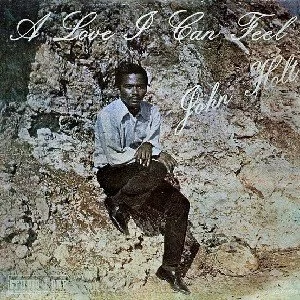
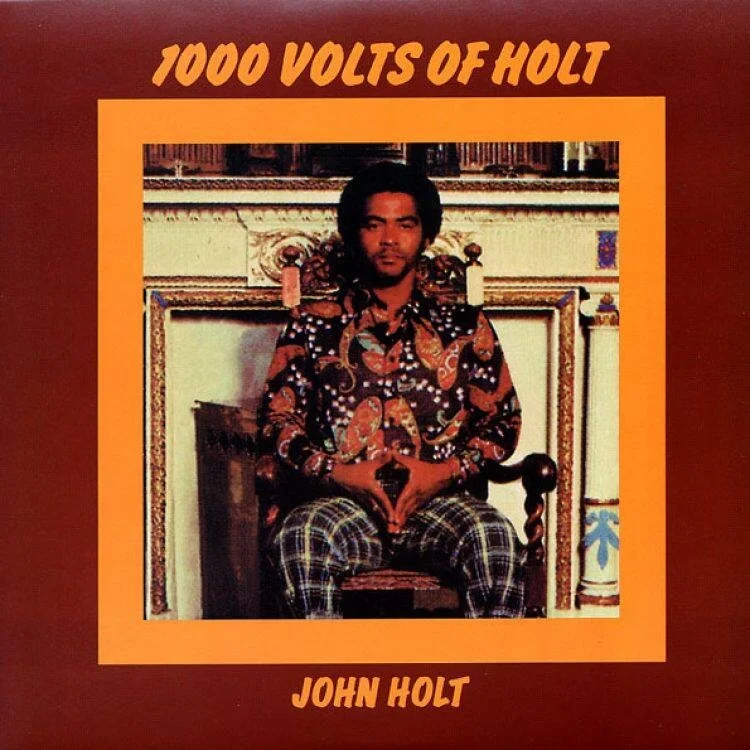
Throughout his solo career, Holt released over forty albums, reflecting his extraordinary versatility and evolution as an artist. On the Beach (1967) solidified his role in defining rocksteady, while 1,000 Volts of Holt (1973) showcased his crossover appeal, blending reggae with soul and pop and earning Gold certification in the UK. Police in Helicopter (1983) marked his successful transition into roots reggae, and In Symphony (2001), recorded live with the Royal Philharmonic Concert Orchestra at London’s Hammersmith Apollo, highlighted his enduring ability to engage audiences across styles and generations.
Holt’s original recordings created instrumental blueprints that influenced countless other songs. Riddims such as A Love I Can Feel, Ali Baba, and The Tide Is High became foundational to both reggae and pop interpretations worldwide, cementing his status as a songwriter whose reach extended far beyond his own performances. His music has been covered, adapted, and celebrated by artists spanning genres and decades, from UB40 to Massive Attack, preserving his influence across generations.
Recognition of Holt’s contributions was formal and global. In 2004, he was awarded the Order of Distinction (Commander Class) by the Jamaican government, honoring his lasting impact on music and culture. Throughout his life, he performed extensively alongside reggae greats, frequently cited as part of reggae’s legendary “Big Three” with Dennis Brown and Gregory Isaacs, and mentored emerging talent, helping shape the next generation of Jamaican artists.
John Holt passed away on 19 October 2014 in London at the age of 67. His voice, artistry, and influence remain woven into the fabric of reggae music, bridging Jamaican street culture with international audiences. From the harmonies of The Paragons to his solo masterpieces and orchestral performances, Holt’s music continues to resonate, teaching, comforting, and inspiring. Known affectionately as the “Golden Voice of Reggae,” his legacy endures, a testament to a lifetime devoted to melody, emotion, and the power of song.
Honouring the builders of culture.
Recognising the true pioneers of reggae music.