
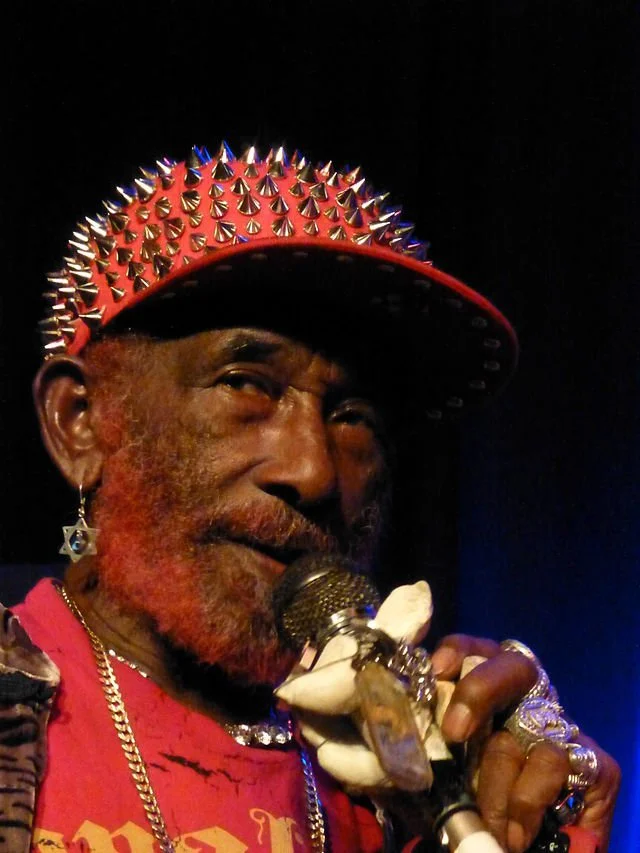
Lee “Scratch” Perry (1936–2021)
The Alchemist of sound did more than produce music; he transformed sound itself into a living, breathing medium. Long before remix culture, electronic experimentation, or studio wizardry became mainstream, Perry was bending tape, echo, silence, and distortion into tools of imagination.
From rural Hanover Parish, Jamaica, he absorbed rhythm and storytelling from the land, from folk songs, and from oral traditions, all before stepping into a studio. These early influences, including the syncopated, playful textures of mento, shaped a creative vision that would redefine not just reggae, but music worldwide.
Lee Scratch Perry
When he arrived in Kingston, Perry entered the music industry as an observer, a curious mind hungry to understand how sound could move people. He began in minor roles, learning the mechanics of recording, arrangement, and rhythm construction, particularly during his formative years at Studio One under Coxsone Dodd. Yet Perry was never content to simply follow established formulas. Where others refined, he disrupted, treating the studio not as a neutral space but as an instrument itself — a canvas for sonic alchemy.
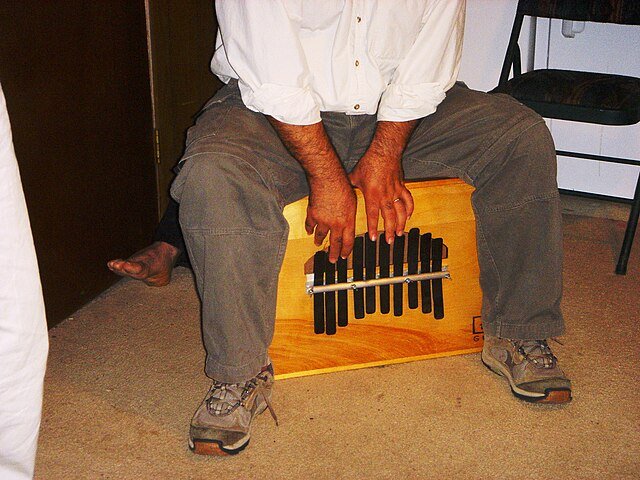
It was at the Black Ark Studio, a small, self-built space, where Perry’s vision truly came alive. There, limited equipment became limitless creativity: vocals were layered, instruments dropped in and out, tape was warped, echoes exaggerated, and silence made meaningful. His experimental approach created rhythms that fractured and rebuilt themselves, carrying forward the ancestral beats of mento—the upstroke of guitar strings, the percussion patterns reminiscent of the rhumba box—and transforming them into the cosmic echoes of dub. Tracks like Underground preserved this rhythmic lineage while introducing the hallmarks of studio experimentation, blending acoustic and electronic textures in ways that had never been heard before.

Perry’s influence was amplified by the artists he nurtured. At Black Ark, he recorded and shaped the sound of The Wailers, The Congos, Max Romeo, and Junior Murvin, among others. He encouraged them to explore new sonic territories while embedding the ancestral threads of Jamaica’s folk music. Heart of the Congos, produced in 1977, is a perfect example: vocal harmonies and rhythms rooted in the island’s traditional sound, elevated by Perry’s echo-drenched, spiritual production.
Even the eccentricities for which he became famous—his mystical persona, his riddles, his blurring of performance and belief—were part of a deliberate philosophy. Perry challenged hierarchy, ownership, and convention, always in pursuit of creative freedom. Humor, satire, and social commentary, all staples of mento, ran through his work, linking the rural, communal origins of Jamaican music to the cutting edge of studio experimentation.
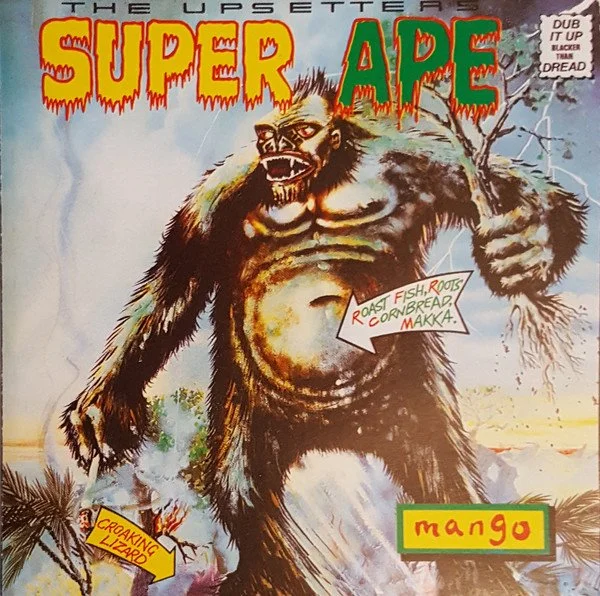
His 1976 album Super Ape exemplifies this philosophy. While not a traditional mento record, it draws on ancestral percussion and folk rhythms, layering them with tape delay, reverb, and distorted horns to create a “cosmic and spiritual” soundscape. The album illustrates how Perry preserved the core rhythmic and textural elements of Jamaica’s folk traditions while stretching them into new, experimental dimensions. Decades later, he would revisit this material in collaboration with NYC’s Subatomic Sound System, fusing the original mento-based percussion and horn lines with contemporary bass and production techniques, demonstrating the timelessness of his approach.
Throughout his career, Perry’s legacy was carried not only in albums or hit singles, but in the ideas he seeded: the studio as an instrument, the value of experimental risk, the power of ancestral rhythm. He passed away in 2021, but his influence continues to ripple outward. Every remix, echo-laden track, and experimental recording owes a debt to his vision. Perry did not simply change reggae; he changed how the world listens.
Honouring the builders of culture.
Recognising the true pioneers of reggae music.