
Hortense Ellis
(1941-2000)
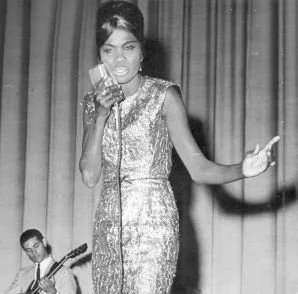
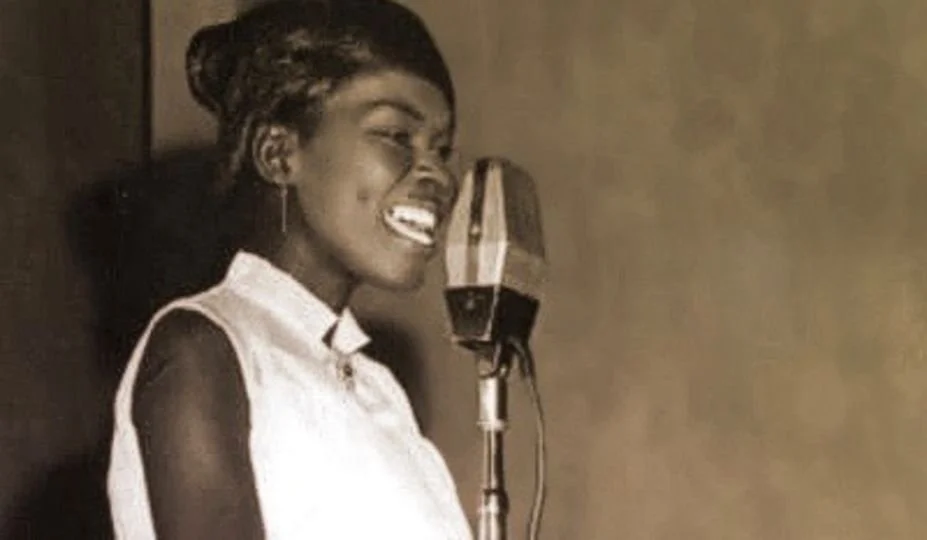
Born Hortense Ellis on 18 April 1941 in Trench Town, Kingston, Jamaica, she emerged from one of reggae’s richest musical communities with a voice that would make her one of the island’s most cherished female vocalists. Her father worked on the railways and her mother ran a fruit stall, but it was Hortense’s remarkable talent — nurtured in school choirs and local talent shows like the Vere Johns Opportunity Hour — that first turned heads. At just 18, her powerful rendition of “I’m Not Saying No at All” impressed both audiences and judges, earning her multiple finals and semi‑finals appearances on the show. She quickly became recognized not just as Alton Ellis’s sister but as a pioneering female voice in her own right, bridging ska, rocksteady, and early reggae.
Hortense’s talent was formally recognised early in her career. In 1964, she was awarded a silver cup as Jamaica’s Best Female Vocalist, a distinction she repeated in 1969, underscoring her place among the island’s top female performers. These accolades reflected both her vocal skill and her ability to command attention in a male-dominated music scene. She also became widely known as the “First Lady of Song”, a title acknowledging her role as one of Jamaica’s first and most influential female recording artists.
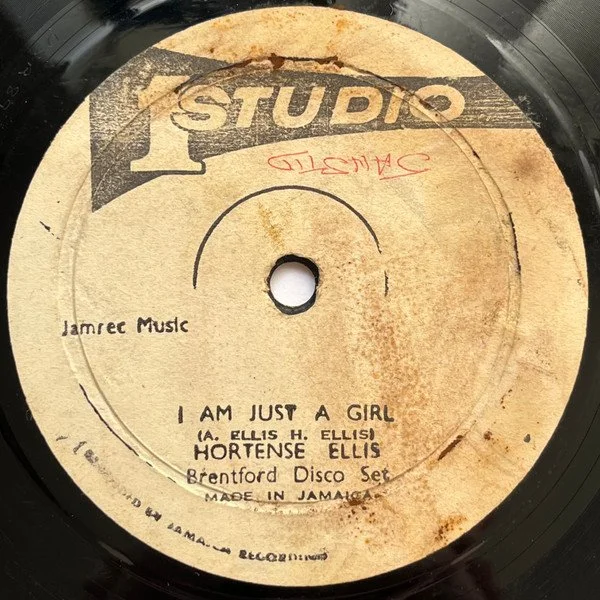
Ellis began recording in the early 1960s, working with some of Jamaica’s most respected producers. She cut early tracks like “I Shall Sing,” “Hell And Sorrow,” and “Brown Girl in the Ring” for Ken Lack, while sessions with Clement “Coxsone” Dodd produced “I’ll Come Softly” and adapted versions of songs associated with her brother, Alton Ellis. Despite her close musical relationship with Alton, Hortense quickly established her own identity. Producer Dodd paired the siblings on duets such as “I’m in Love” and “Easy Squeeze,” while her solo work continued to develop with powerful recordings under Duke Reid and later influential rocksteady and reggae producers.
She toured Jamaica with Byron Lee and The Dragonaires during the vibrant 1960s era, gaining performance experience and exposure across the island. In the early 1970s, following tour work in Canada with Alton, she married Mikey “Junior” Saunders and adopted the name Mahalia Saunders for some recording sessions with legendary producer Lee “Scratch” Perry, producing soulful tracks like “Right on the Tip of My Tongue” and “Piece of My Heart.” Her international experience, including touring with major American acts like Patti LaBelle & The Blue Belles and Dionne Warwick, helped cement her presence as a versatile and professional performer.
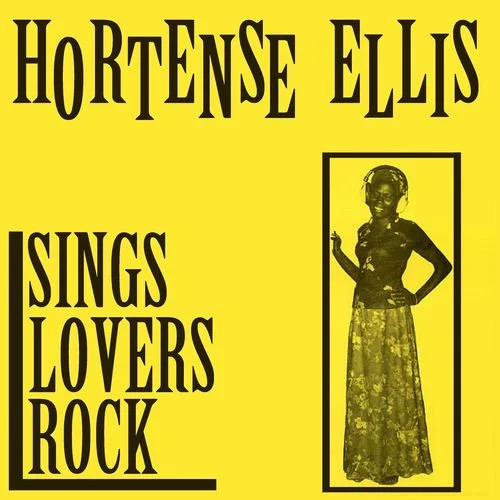
In the late 1970s, she achieved one of her most enduring hits with “Unexpected Places” (produced by Gussie Clarke). The song was a significant success in Jamaica and resonated within the UK reggae scene, particularly among lovers rock audiences. Working with producer Bunny “Striker” Lee, she recorded as Queen Tiney, including the answer track “Down Town Ting” — a creative response to the international reggae hit “Uptown Top Ranking.” She also recorded covers of soul classics such as “Sitting in the Park,” “Down the Aisle,” and “Young Hearts Run Free,” demonstrating her adaptability across rocksteady, reggae, and lovers rock.
Throughout her career, Ellis collaborated with top producers and musicians including Jackie Edwards, Soul Syndicate, and Sly & Robbie, ensuring that her recordings remained both contemporary and musically innovative. Her duets with Alton, solo hits, and reinterpretations of R&B classics highlighted her versatility and emotional range, earning her a place in reggae’s history as both a pioneering woman and a highly skilled vocalist.
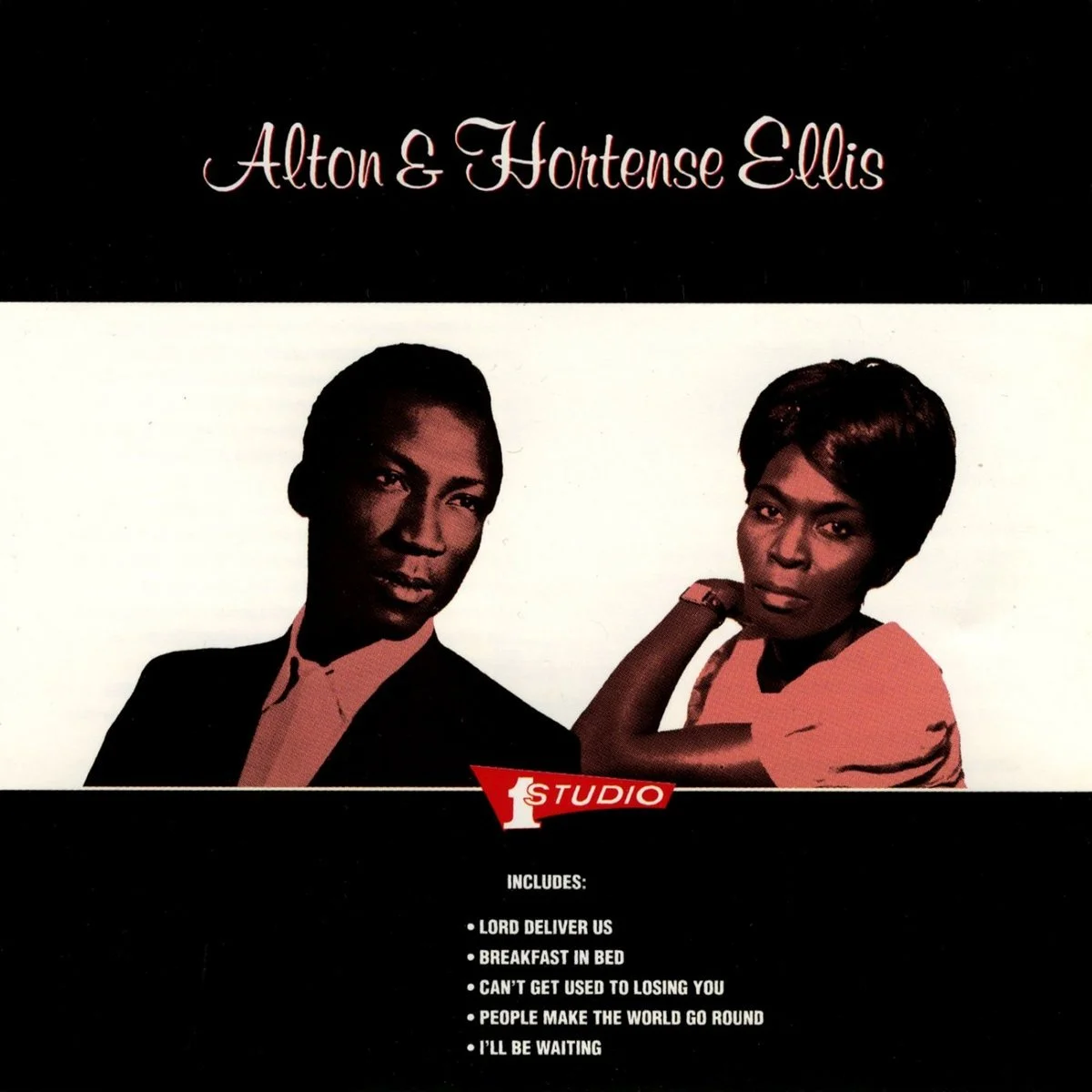
Alton & Hortense Ellis
Hortense Ellis stood as one of reggae’s most expressive and soulful female voices, navigating ska, rocksteady, lovers rock, and reggae with grace and depth. Her early awards as Jamaica’s Best Female Vocalist, combined with her enduring influence on female vocalists in reggae, cement her place as a pioneer in her own right, while also honoring the guidance and inspiration she received from her brother Alton Ellis.
Despite a flourishing studio career, raising a family limited her live performances through the 1970s. She spent much of the 1980s living in New York City and Miami, occasionally performing but prioritising her children and family life. Returning to Jamaica in 1989, Ellis continued performing locally, though her later years were affected by ill health, including throat cancer. She passed away peacefully on 19 October 2000 in Kingston from a stomach infection, leaving behind a legacy of musical excellence.
Honouring the builders of culture.
Recognising the true pioneers of reggae music.